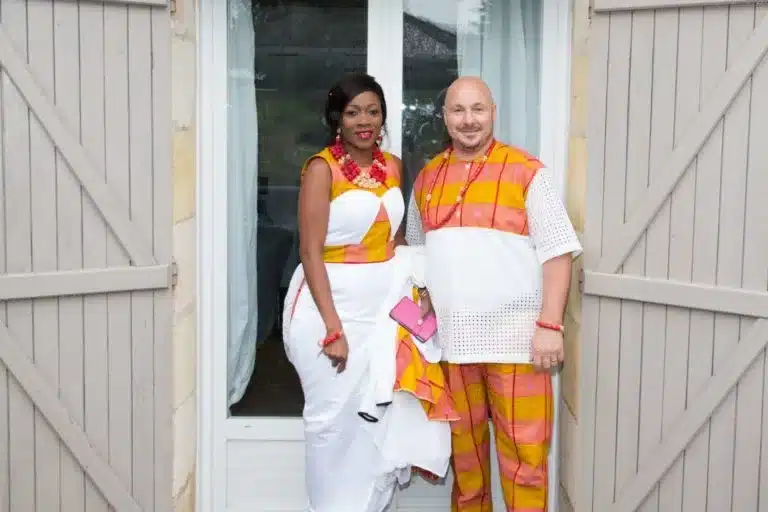
Traditional marriage fascinates with its cultural richness, symbolic rituals, and profound sense of community. In many societies, this ceremony represents far more than a simple union between two people. It celebrates the meeting of two families, the transmission of values, and the attachment to a cultural identity. From traditional African weddings to European customs, each culture has its own rites, emblematic attire, and symbols of happiness. Yet, a single idea runs through all these traditions: marriage represents a sacred alliance that unites individuals, families, and sometimes even ancestors. Let's explore together the definition of traditional marriage , its main stages, and the rituals that continue to resonate in wedding ceremonies around the world.
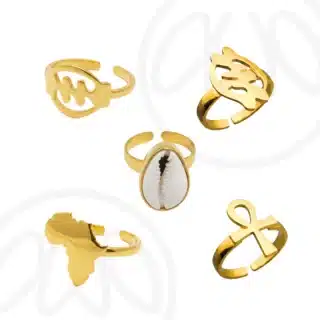


Do you like these rings? Click on the image to receive your wedding gift now!
Traditional marriage: definition and meaning
Traditional marriage refers to a wedding ceremony organized according to the customs and cultural traditions of a community. Every gesture, every garment, and every symbol holds profound meaning. In most societies, these traditions transmit an ancient heritage. They symbolize the continuity of generations and the community's official recognition of the union. Unlike modern civil or religious marriage, traditional marriage often relies on several essential elements: the formal meeting of the families, the exchange of gifts or dowry , the advice of elders, and symbolic blessings. In many African cultures, traditional marriage represents a true community celebration. Families exchange symbolic gifts such as loincloths, jewelry, or handcrafted items to seal the alliance between the two clans. This collective dimension explains why traditional marriage remains one of the most important ceremonies in social life today.
What are the steps in a traditional wedding?
The traditional wedding ceremony varies across cultures. However, several fundamental steps appear in many traditions.
The official request
It all begins with a formal meeting between the families. The groom-to-be arrives accompanied by his relatives to express his intention to marry the young woman. This step is a time for dialogue and mutual respect. The families exchange information, get to know each other, and discuss the details of the marriage . In some cultures, this meeting is accompanied by symbolic gifts and ritual words intended to honor traditions.
Engagements and family agreements
After the proposal is accepted, the families organize the traditional engagement ceremony . This ceremony officially confirms the commitment of the future spouses. In many African cultures, this step includes discussions about the dowry. This symbolic exchange expresses the value of the future bride and the commitment of the future husband. Aunts, uncles, and elders often play a central role in these discussions. Their wisdom fosters harmony between the two families.
Symbolic rituals
Once the agreements are in place, the traditional ceremony can begin. It typically includes several meaningful rituals. Elders offer blessings, families exchange gifts, and relatives offer advice to the couple. Songs and dances often accompany these significant moments. These rituals strengthen family bonds and transmit essential values such as respect, solidarity, and enduring love.
The bride's handing over and the grand celebration
The most moving moment often comes with the official handing over of the bride to her new family. This step symbolically marks the young woman's transition to a new life. Relatives offer blessings and words of encouragement to guide the couple toward a happy future. The ceremony concludes with a large celebration featuring music, traditional dances, and shared meals.
What are the 4 items that the bride must wear on her wedding day?
In many European traditions, a famous custom accompanies the bride on her wedding day. It involves wearing four symbolic items : something old, something new, something borrowed, and something blue. The old item represents the connection to family and previous generations. The new item evokes the future and the new life that is beginning. The borrowed item symbolizes friendship and the support of loved ones. As for the color blue, it embodies fidelity and the purity of love. This tradition adds a poetic touch to the bride's preparations and serves as a reminder of the importance of family ties.
What are the different types of marriage around the world?
Cultures around the world offer many forms of marriage . Each type reflects a particular vision of union and family. These include civil marriage, religious marriage, traditional marriage, customary marriage , symbolic marriage, intercultural marriage, and modern personalized weddings. Among these forms of union, traditional African marriage holds a special place. It emphasizes family, community, and cultural transmission. The ceremonies are often distinguished by colorful attire, handcrafted jewelry, beads, traditional fabrics , and cultural accessories rich in symbolism.
Traditional African wedding: a celebration of culture and identity
Traditional African weddings impress with their diversity and energy. Each region and each people has its own customs, songs, costumes, and rituals. In many African cultures, the ceremony lasts several days. The festivities include dances, blessings, gift exchanges, and communal meals. Jewelry, beads, cowrie shells, and handcrafted accessories play a significant role in the bride's attire. These elements symbolize beauty, fertility, and prosperity. Traditional handmade clothing often tells the story of a people and highlights the couple's cultural identity. This cultural richness explains why African weddings inspire so many couples around the world today.
Traditional weddings in Europe: between heritage and modernity
In Europe, too, wedding traditions remain deeply rooted in the culture. In France, several customs continue to enliven celebrations. The bride's white dress symbolizes purity, while the bouquet toss adds a festive touch. The exchange of rings represents the couple's commitment, and sugared almonds offered to guests celebrate the couple's happiness. Today, many couples combine tradition and modernity to create a ceremony that reflects their personal story.
Why does traditional marriage still appeal today?
In a constantly evolving modern world, traditional weddings retain a special power. They offer a precious opportunity to bring families together, pass on values, and celebrate cultural identity. The ceremony then becomes a moment of intense sharing. The songs, clothing, accessories, and rituals tell a collective story that transcends the couple. This cultural dimension explains why many couples today wish to incorporate traditional elements into their celebration.
The traditional wedding, a timeless celebration
Traditional marriage embodies much more than a ceremony. It represents a meeting of past and future, of cultural heritage and personal history. Through its rituals, attire, and symbols, it celebrates love while honoring traditions. Every gesture reminds us that marriage unites two individuals, two families, and sometimes two cultures. Whether it takes place in Africa, Europe, or elsewhere in the world, traditional weddings continue to captivate with their beauty, energy, and spirit of sharing. And at the heart of this celebration, handcrafted and cultural accessories often play a vital role. They remind us that love is also rooted in history, tradition, and identity.